From time to time I need to buy formal clothing. I am not a very good shopper, so once I find something I like and that fits me well, I tend to keep going back. The clothing at Kenneth Cole fits me well and suits my taste, so I am a repeat customer. Recently they offered me a loyalty card with the promise of a 30% discount. I thought this a great idea, but after thinking about it a little more, I realized that the execution is sorely lacking imagination or insight. And quite frankly, they’re throwing away thousands of dollars every day they don’t get their act together.
The Card
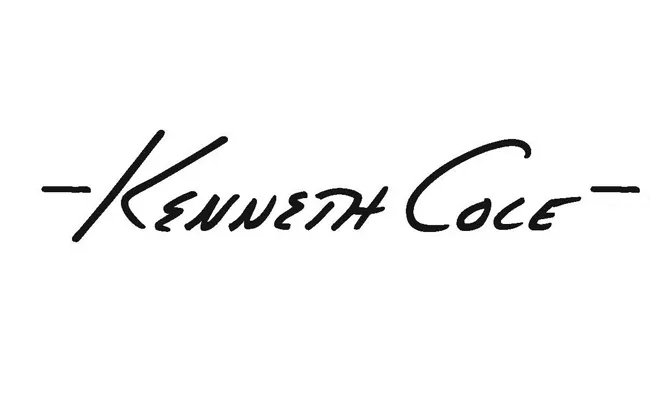
The card itself is a rather unimpressive marketing asset. And it is just that – a marketing asset. A rectangular credit card sized piece of paper folded over to make room on the inside for purchase stamps. After keeping it in my wallet, the card is creased and looks worse for wear. It is not something I feel inspired to show anyone. In fact, I felt a little embarrassed using the card because it was now ugly. It even made me feel a little guilty because I wasn’t able to keep it looking as nice as it did when they gave it to me.
I think KC have lost an opportunity here to create something that I would want to show people. I have the card with me all the time – it lives in my wallet. Their brand is all about being bold and attractive, so why does this rule not apply to the one asset that I will have with me all the time, even more so than the clothing I buy from them?
What they could have done
At the bare minimum a generic plastic card that won’t make me feel bad for creasing it. The supermarket down the road has a plastic card. How is it that an international clothing brand couldn’t be bothered to offer one? If the design of the card was different, striking, artistic or even crazy, it could become a conversation piece. They could even make it a gimmick that suits the brand. A card made from thermally sensitive plastic that changes colour when I hold it. A card with tiny LEDs that displays my points when I push down on it. A faux carbon fibre card that simply looks amazing. I would talk about that. I would show my friends. I would promote their brand because of the marketing asset they gave me. And they wouldn’t need to pay me for it.
Tracking and CRM
Stamps vs Credits
The paper card is a simple affair – every time I make a purchase, the store will stamp the card. Once I get 6 stamps, I am entitled to a 30% discount. The missed opportunity here is that once I have 6 stamps I HAVE to give them the card and they HAVE to give me the discount. The stamps are treated as stepping stones instead of credits or points.
 There is no opportunity for me to collect as many points as I can in exchange for a bigger discount or a free item or some other reward. It caps the amount that I can spend before they have to pay me for my loyalty.
I know many people who use their loyalty cards often and enjoy the mere sensation of collecting points. They never redeem these points, but they keep shopping to add more. They walk by 3 or 4 similar stores to go to the one that gives them points, even if they never redeem them. And they often tell their friends or other people how many points they have, making the brand a topic of conversation.
There is no opportunity for me to collect as many points as I can in exchange for a bigger discount or a free item or some other reward. It caps the amount that I can spend before they have to pay me for my loyalty.
I know many people who use their loyalty cards often and enjoy the mere sensation of collecting points. They never redeem these points, but they keep shopping to add more. They walk by 3 or 4 similar stores to go to the one that gives them points, even if they never redeem them. And they often tell their friends or other people how many points they have, making the brand a topic of conversation.
What could they do if they had used a magnetic strip card?
- Gather data about customer behaviour in their store and use this to build a database of customer information
- Track purchases to identify frequent shoppers and identify buying patterns or habits. (If they send me a coupon for a discount on belts, am I likely to get buy pants?)
- Identify which store I shop at often. If they did this, they could invite me to special events at the store I shop at most often, like an early preview of their new collection. This gives me a sense of exclusivity and can go a long way to build brand loyalty. By showing me that they value me enough to make me ‘exclusive’ they can earn more of my loyalty. All for very little money.
Reward actions to create engagement and build loyalty
Video game designers have known this trick for decades. Create levels for people to complete. Offer challenges within these level to keep them motivated and micro challenges (within challenges) to keep them engaged. Completion at every level provides a sense of achievement. Let’s have a look at some of the ways KC could reward actions that benefit their marketing activities and keep me engaged with the brand.
Right now
- 1 purchase = 1 credit
- 6 credits = 30% discount This could be extended by offering me reasons to save my credits and make more purchases before they need to pay for my loyalty e.g.
- 10 credits = 40% discount
- 15 credits = 50% discount If I were in the marketing department, I would also propose a points system be added in addition to credits where 10 points = 1 credit
Let’s looks at some of the ways I could earn points:
Come in to the store and swipe my card = 1 point Often just being in the store is enough reason for me to buy something. At the very least it gives them as opportunity to constantly show me their latest offerings. If I’m at the mall, hey I might as well go in to Kenneth Cole and swipe my card right? They’ll also get a better understanding of how often I frequent the mall – valuable data.
Add my email address = 1 point If I associate an email address with my card, this one piece of data is potentially worth hundreds or thousands of dollars if used correctly
Verify my email address = 2 points An email address is no good if it’s a fake. Giving me points for verification makes sure that the data stays clean.
Log in to the Kenneth Cole website = 1 point (for every day that I log in) This again allows the brand the chance to expose me to their message and their wares. Some might argue that this system could be gamed, but by limiting the points to 1 per day, it would take me 60 days of logging in every day to get a 30% discount. If I am that committed to getting a discount (not free stuff, I still need to spend money) you should probably give it to me. And I don’t exist in a vacuum – I’ll tell my friends what I’m trying to do too, which means they might visit the site too.
Add an item to my shopping cart = 1 point Even by just adding items to my cart, I am communicating my preferences to you. Most people will browse around and find things they like to add to their cart, even if it is a fake cart and they have no intention of making the purchase right then. More information about my preferences means more opportunities to market to me with targeted and relevant merchandise.
Refer a friend = 2 points This one is always tricky, since folks will tend to try and game the system by submitting multiple fake accounts. But there are ways to make sure that good data is coming in
- email address must be unique
- referred friend must create an account and log in on the website. Logging in will give them 1 free credit (10 points).
Extend the loyalty program to work online
Right now, the paper card only works if I go in to the store to make a purchase and if I have the card with me. Since I actively want to collect more points, this puts a barrier between me and any online purchases I might make. At the very best this delays my buying decision since I need to be physically present at the store to make the purchase. The worst case scenario is that I forget about it or change my mind and the sale is lost.
Conclusion
I spent about 45 minutes thinking up ways to make this loyalty program work a little better. I’m not saying that all of the ideas above are good or even feasible. What this exercise does prove is that there are opportunities being missed. And if a full marketing team (i.e. more than one person) spent some time brainstorming ideas, who knows what they could come up with?
P.S Pitching the email address
When the store assistant asked me to submit my email address and offered me “Promotional Offers” in return, I immediately said no. It just sounded like spam. If they had offered me a way to update my details or get points statements by email, I may have been more inclined to part with my information. This would have given the brand an opportunity to request additional permissions further down the line and make sure they were only marketing to qualified leads and not annoying non-interested customers.
P.P.S.
I don’t know if there is a different Kenneth Cole loyalty program in other countries. I am basing this solely on my own experience in Costa Rica
This is from my old blog